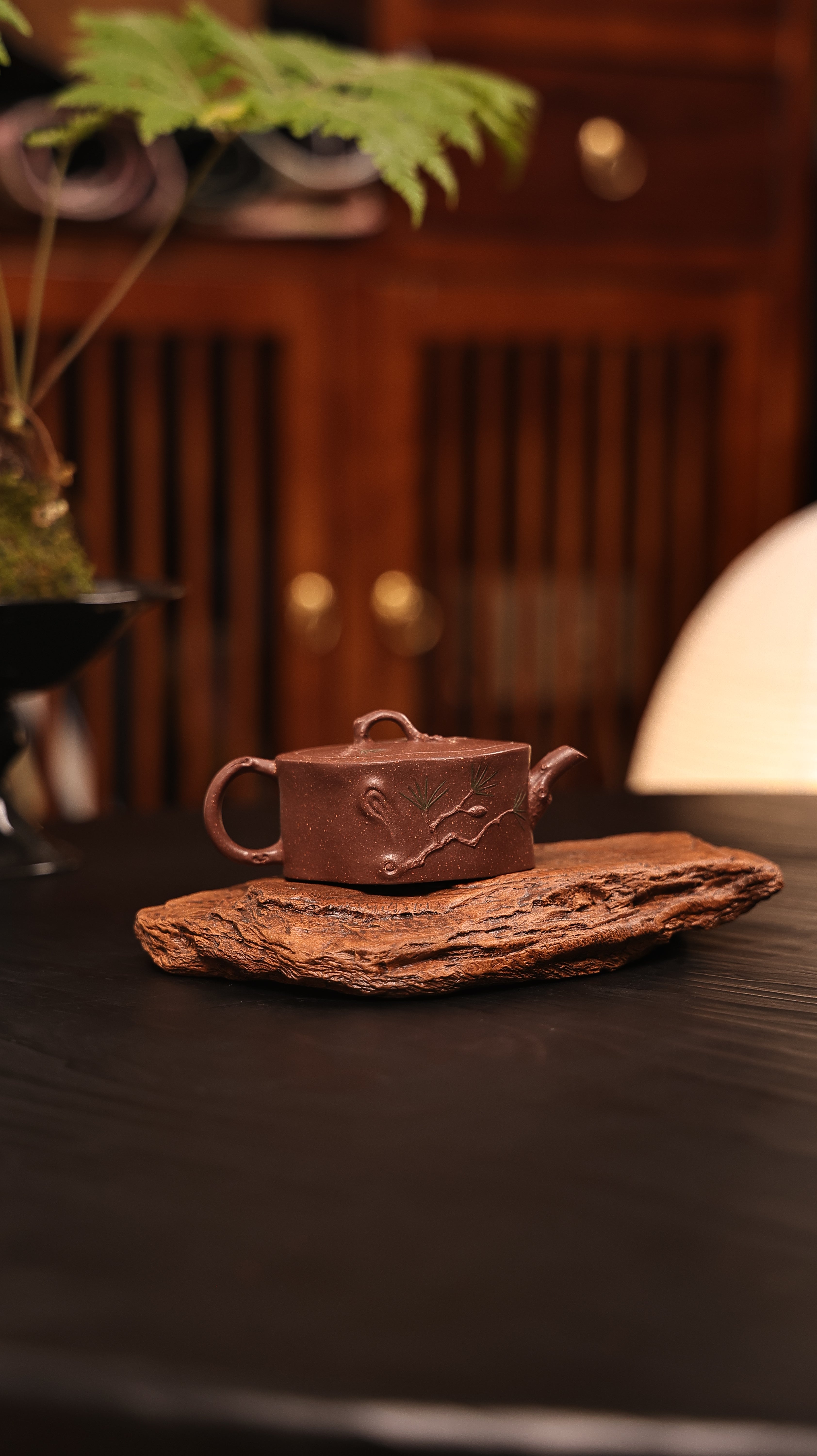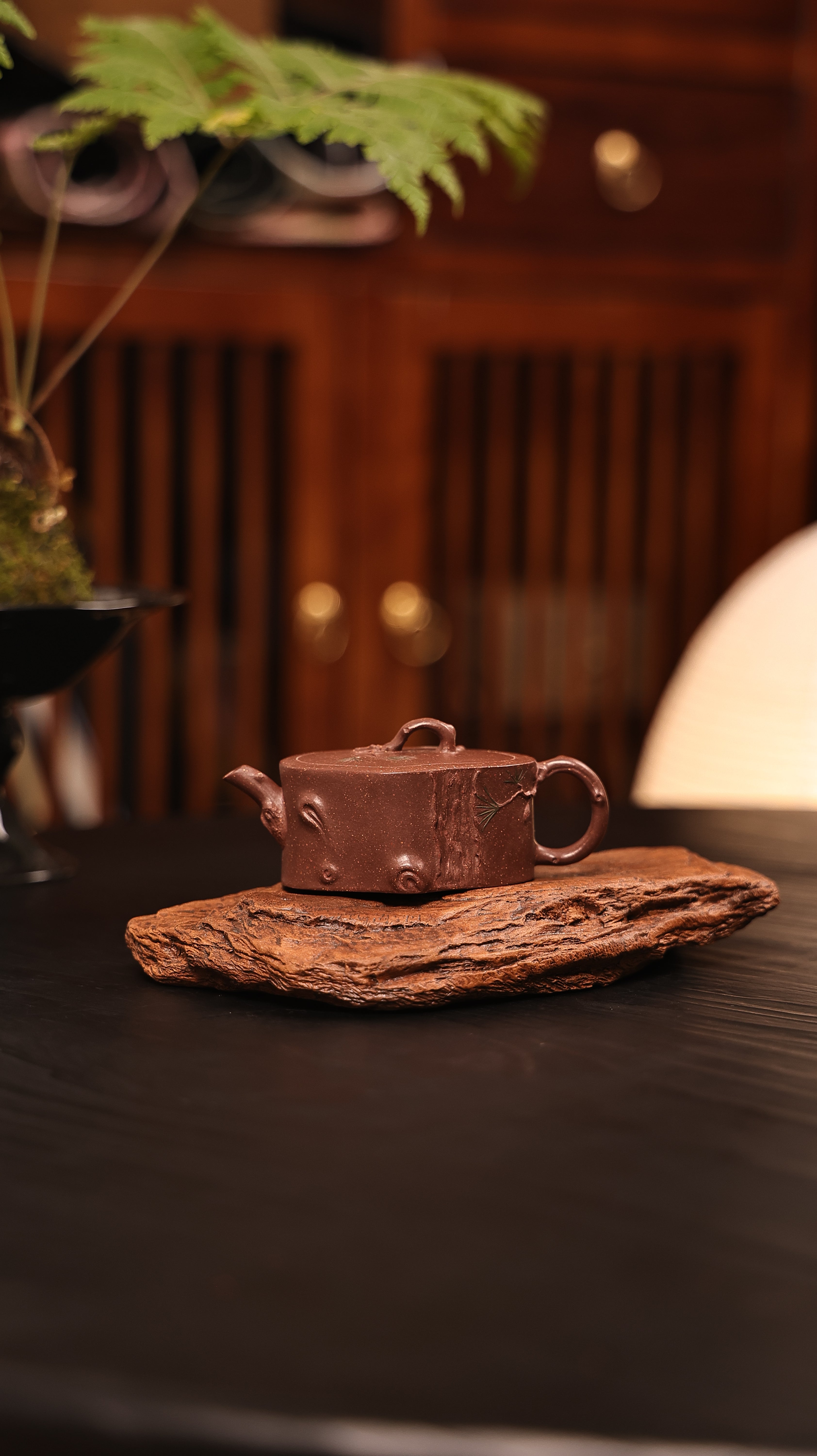
Perpetual background shapes Chinese containers amid generations,
Reflecting peculiar attributes extracted across domestic purple soils, these vessels evolve a sheen across utilization, augmenting aroma drawn from infused beverages.
Understanding Yixing Earth: Detailed Insights into Zisha
Many connoisseurs recognize the unique texture of Yixing mulberry clay, a linchpin of enduring Chinese craft. Emanating from the Yixing region of Jiangsu province, this uncommon clay exhibits an elaborate mineral structure, that delivers amazing qualities to the crafted wares. Kinds within Zisha, including Purple Mud, Duan Ni Mud, and Jiang Xi Mud, each offers special complexions, surfaces, and hardening traits, influencing the breathability and the concluding bouquet enhancement of the infusion.
Celestial Jar Practices: Investigating Expertise
Asian teapots embody beyond mere containers for extract; they exemplify centuries of historical mastery. From the distinguished Yixing clay variations, respected for their absorbent nature which gives particular tastes to the drink, to the precise porcelain from Jingdezhen, each piece tells a legend of devotion. The development process is an elaborate endeavor, often gifted through dynasties of craftsmen. These artisans use traditional strategies such as hand-building, molding on wheels, and beautifying, demonstrating profound reverence for the clay and the work itself. Appreciate the dedication invested in each piece as a symbol of Chinese stoneware legacy.
- Yixing jugs: a classic alternative.
- High-quality porcelain teapots: famed for their elegant design.
- Hand-building techniques: a laborious yet rewarding procedure.
Jiangsu Purple Teapot Protection: Curing Your Valuable Artifact
Suitable care of your esteemed Yixing Zisha pot is fundamental to boosting its longevity. Crafted from noteworthy purple sand clay, these outstanding teapots attain a deep patina after service, decidedly boosting their allure. Refrain from cleansers; a tender rinse with tepid solution is appropriate. Never scalding water for maintenance the teapot, as it may shatter its surface. Allow it to evaporate moisture away from unfiltered sunlight. Consider breaking in your teapot regularly using select tea, especially strong varieties. Here is a brief guide:
- Cleanse with temperate aqueous.
- Shun soaps.
- Enable it to desiccate.
- Familiarize with select tea.
Heritage of Yixing Teapots: From Humble Origins
The narrative of Yixing teapots originates unassumingly during the Yuan dynasty, circa the 16th phase. Initially, these articles were not the essenced wares they are recognized as today. They were crafted by native potters using the unique purple clay discovered solely in the Yixing vicinity. These early creations were primarily utilitarian, meant for everyday application and often basic in appearance. It was not until the later dynasty that they began to earn prestige beyond mere functional goods.
Determining the Perfect Native Kettle: A Initial Primer
Entering the domain of Yixing teapots can be daunting, but do not fretting! For rookies, the vital factor is understanding the earth. Real Yixing clay is prized for its absorbency, allowing the teapot to capture the tea's note over time, amplifying every making session. Reflect on the form; traditional arched shapes prevail, yet particular preferences hold sway. Lastly, assess the surface—while some favor an basic appearance, others value a mild gloss. Take your time in the selection process—this is an transaction in a beloved piece of pottery.
Zisha Pitchers and Their Role on Chinese Beverage Heritage
Zisha kettles, existing from Yixing, China, have profoundly changed enduring Chinese beverage culture. The Yixing clay teapots, prized for their singular shade, fabric, and exceptional ability to impart a subtle savor to the drink, symbolize more than mere ware; they are esteemed treasures and symbols of importance. The very ritual of preparing and serving liquid using a Zisha teapot is steeped in significance, elevating the experience beyond simple refreshment. Successions of artisans have mastered their techniques, passed down through families, resulting in highly esteemed pieces. As a result, Zisha teapots are frequently held, playing a crucial part in cultivating regional appreciation for aesthetics and the custom of infusion ceremonies.
- Individual Clay Composition
- Bestowing Subtle Flavor
- Fine Craftsmanship
Detecting Authentic Exceptional Yixing Pots
Finding a legitimate Yixing teapot can be a fruitful experience, but the trade is often flooded with replicas. Discerning between a true antique and a new reproduction requires exact inspection. Key signs include the clay's auburn shade, often displaying tiger skin marks, and the shortage of modern firing imprints. The design should exhibit natural grace, reflecting the traditional Yixing design. Finally, evaluating the artisan's inscription is paramount to verify legitimacy against recorded testimonies.
- Assess the clay's grain.
- Look for irregularities, indicative of crafted quality.
- Consult an professional for evaluation.
Buying Eastern Earthenware: A Elaborate Guide to Purple Clay Interpretation
The Yixing Teapot environment of Traditional Zisha teapots provides a special option for shrewd enthusiastic followers. Growing, the cost of these bespoke artifacts is contingent by different attributes, such as the quality of 紫砂, the artistry of the craftsman, the heritage weight, and, naturally, the contemporary appetite. Initiates should familiarize themselves on comprehending the numerous characteristics of Zisha clay—such as Binghu, 杜宁, and 紅泥—and learning about the features linked to each. Thorough assessment of the teapot's form, color, and seal is concurrently mandatory to make competent evaluations when investing.