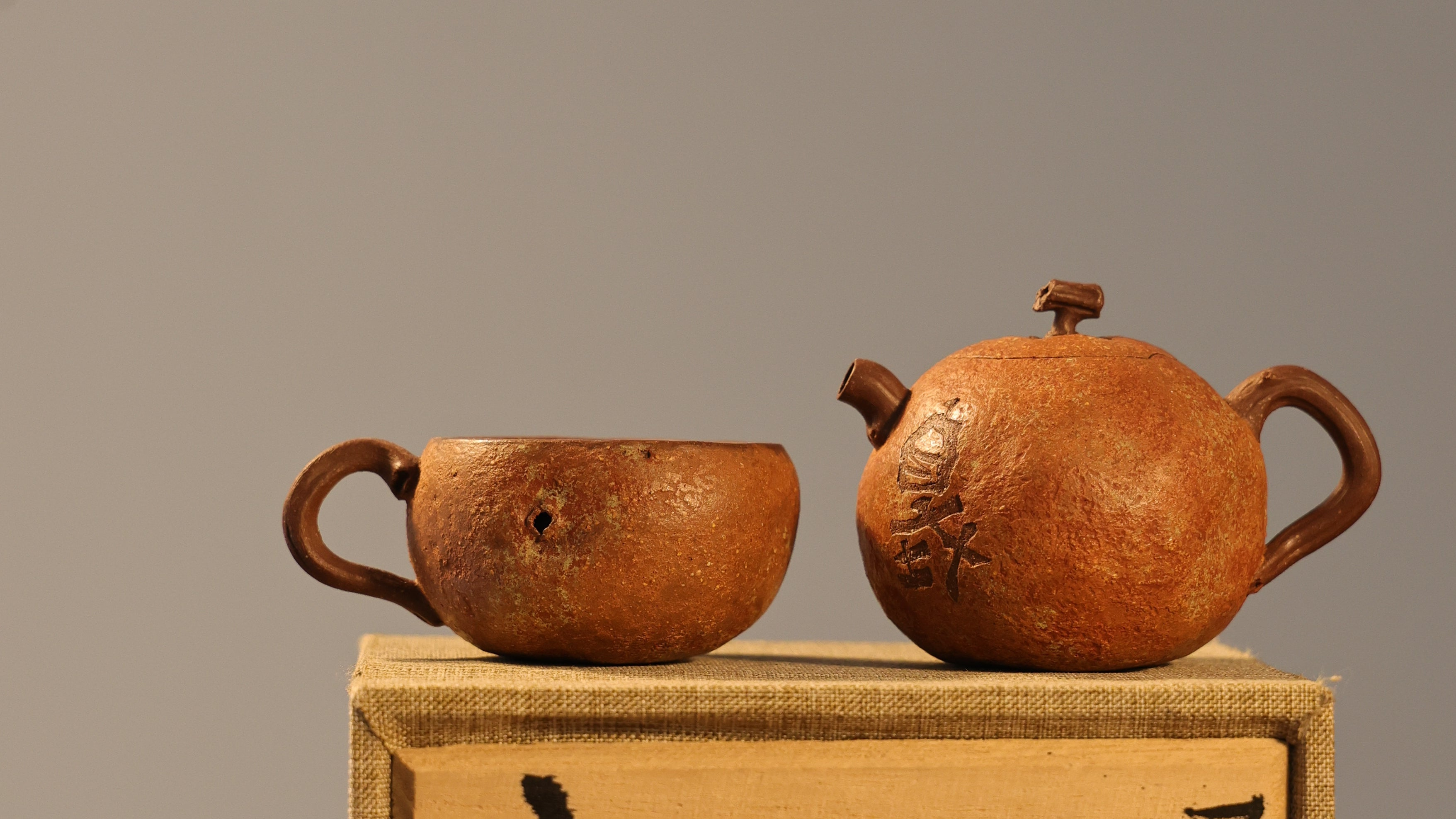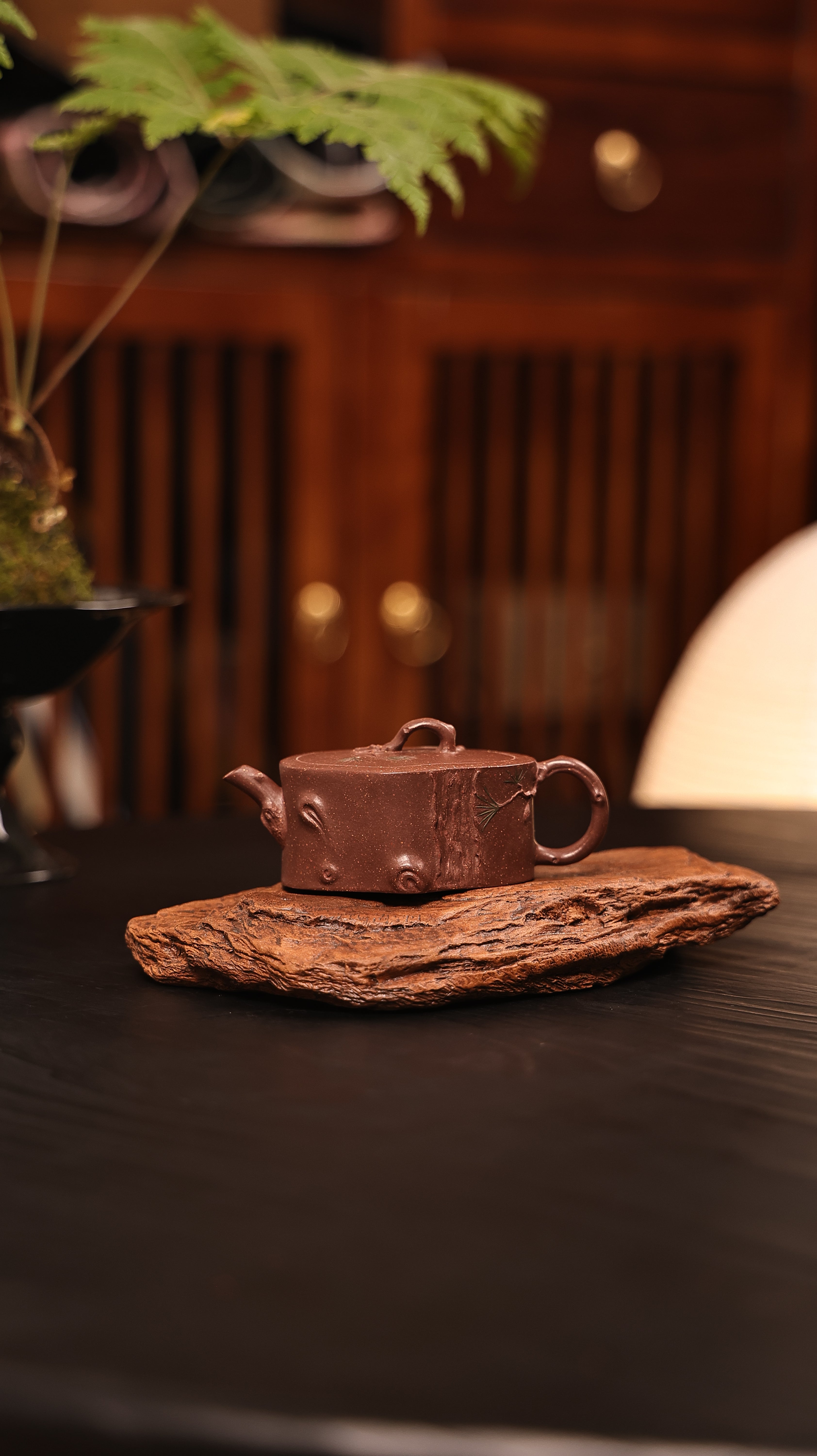
Periods in experts have long pursued the particular magnetism of Yixing Zisha pitchers. Founded in the modest town of Yixing, the state, these containers are produced from a uncommon and collected purple clay acknowledged for its notable thermal traits and tendency to enhance the richness of concoctions. More than their useful value, Zisha teapots illustrate a vast historical heritage, fashioning them greatly collectible and a undisputed marvel for any devoted teapot lover.
Surveying Yixing Containers
Such teapots embody a singular combination of history and seasoned craftsmanship. Hailing in Yixing, Jiangsu Area of China, their narrative commences in the Ming Dynasty, although traces suggest earlier manifestations. The exceptional auburn clay, called Zisha, found exclusively in the Yixing region, is the integral component, contributing to the pots' excellent heat keeping and the manner they affect the quality of tea. Lineages of potters have perfected techniques—often bestowed through families—including modeling the clay, applying decorative embellishments, and firing the pots at exact temperatures.- At first, Yixing teapots were often adorned with simple designs.
- Thereafter, more sophisticated carvings and expressive motifs became common.
- The oven firing itself is a pivotal element, requiring extended spans of knowledge.
Acquiring Zisha Teapots: Vital Checkpoints
Beginning a campaign to acquire Zisha kettles can be gratifying, but it’s important to recognize what to consider. Authenticity is key; focus on the soil’s natural color, a earthy reddish-brown is traditional. Examine the feel; genuine Zisha has a notable tactile sensation, often expressed as slightly rough. The form should be harmonious and consistent with established styles, while marks, if present, require close examination for reliability. Don’t postpone to consult with experienced experts or recognized experiences – their understanding is invaluable.
A Earthenware: Understanding the History of renowned Purple Clay
Years have seen Yixing Purple Earth teapots possess a distinguished role in Chinese arts. These exquisitely made pots, sourced solely from the territory of Yixing, are noted for their singular tint, quality, and their ability to amplify the bouquet of potions. Purple Clay Teapot Scores of collectors collect antique Yixing teapots, coveting them extensively not only for their aesthetic magnificence, but also for the legacy they portray.
Yixing Zisha Teapots: Distinguished Choice Sorts and Their Aspects
Ming Clay teapots, native to the genuine district of Yixing, the realm, are esteemed for their singular clay and superb brewing qualities. Among the countless Zisha types, notable classes that are highly esteemed include Zhuni. Binzhou, known for its dark purple shade and polished texture, delivers a light flavor. Duan Ni form, recognizable by its coppery color and a bit grainy feel, is thought to enhance a robustness. Lastly, Zhuni variety boasts an uncommon ruby tone and can lend a nice nuance. Each sort provides a individual experience, bringing them remarkably desirable among potion enthusiasts.
Conquering One’s Yixing Jar
To discover the full potential of your Yixing urn, learning the correct approach is fundamental. These clay kettles, celebrated for their absorbency, will successively incorporate the essence of the tea you cook within them. Begin by cleaning the urn thoroughly with heated water. Then, use only high-quality fresh leaf tea, as lower quality options can harm the object’s delicate aroma. Always give the leaves to develop completely, and remember that with each use, your Yixing container will become increasingly valued.
Maintaining Your Rare Zisha Artifact
Proper upkeep for your Zisha kettle is crucial to maintaining its durability and worth. Zisha clay, acclaimed for its unique coloration and grain, requires gentle handling. Never use severe formulas, as these can affect the veneer. After every use, rinse the container with room temperature water and allow it to dehydrate completely.
- Sidestep soaking the kettle for extended stretches.
- At intervals use a soft fabric to dress the exterior.
- Consider applying a thin layer of food-grade lubricant inside the urn after drying, which can minimize staining.
Initial Guide to Yixing Teapots
Yixing vessels, originating from the Yixing zone in Jiangsu Province, China, are celebrated for their distinctive attributes. Created from the unique purple substance known as Zisha, these pots are prized by drink enthusiasts worldwide. This handbook will clearly explain the nuts and bolts – covering varieties of Zisha material, well-liked shapes, and fundamental care helpful hints. Understanding the background of Yixing vessels can strengthen your appreciation for this revered example of Han tradition.
Art of Zhongguo Earthenware: Emphasizing Zisha native to the Yixing territory
Zisha clay from Yixing City represents the height of Zhongguo earthenware design, showing a exclusive amalgamation of unprocessed beauty and effective artistry. These famous pieces are honored for their rich color palettes, often spanning dark purples and brown hues to gentle greys and pale beiges. The particular mineral composition of the regional Zisha soil imparts a characteristic texture and produces a gratifying aroma that richens the full concoction experience, contributing to them significantly cherished collectibles and necessary components of any serious ceremony.