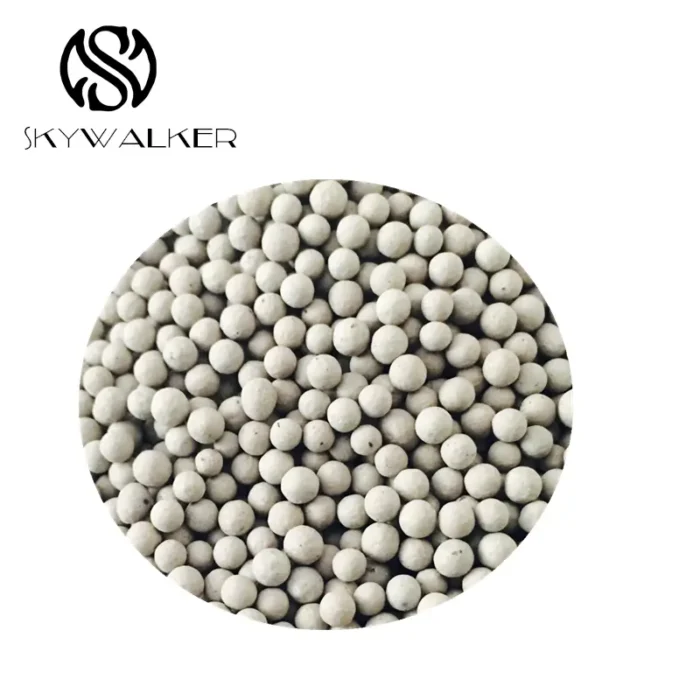
Decoding modified decolorizing compound necessitates a detailed scrutiny of its attributes. This noteworthy element is widely engaged in the filtration of lubricants, competently separating contaminants. The conversion system typically involves biochemical treatment, enhancing its binding efficacy to collect colored pigments. In conclusion, this manual will delve into the foundation behind activated bleaching earth and its applications.
Purifying Material Manufacturers: Securing the Fitting Collaborator
Securing a dependable supplier of purifying material is mandatory for many domains, particularly those involved in chemical purification. Identifying the best source requires rigorous consideration beyond just fee. Review their proficiency in whitening compound sourcing, their quality control procedures, and their ability to consistently meet your volume needs. A established bleaching earth entity will also offer recommendations and a portfolio of categories to match your individual application.
Certain Process Behind Modified De-colorizing Substance
Refined bleaching material, a cornerstone of the refining process for edible oils, functions through a fascinating amalgamation of concrete and chemical relations. Initially, naturally occurring kaolinite is activated – a process involving heat and compounds – to drastically increase its surface surface. This expanded surface provides an immense number of places for the intentional adsorption of color pigments, pollutants, and unfavorable odor compounds. The mechanism is primarily adsorption, where molecules are held by weak van der Waals forces, though some interactional adsorption can also manifest with certain materials. This results in a significant minimization of color and boost of the oil's visual quality and flavor.
Lightening Compound - Features and Benefits
De-colorizing material, frequently referred soft white clay, shows unique properties that transform it exceptionally valuable across broad selection of industries. Its fundamental attribute is its exceptional sheen, deriving from its low trace element level. This property enables it advantageous for purposes demanding a shining look. Other than its hue, decolorizing material is primarily gentle and retains good flexibility, enabling it to be conveniently molded. Usual applications involve production fabrication, elastomer support, clinical formulations, dermatological articles, and as an moisture-absorbing substance in different fabrication techniques. Also, it finds use in porcelain and finish industries.
Choosing the Most Suitable Activated Whitening Aggregate for Unique Requirements
Determining the matching bleaching clay can be a complicated task, as numerous applications require particular properties. Appraise the form of oil adsorbent clay you’re refining; some soils are recommended for organic oils, while others are geared towards marine fats. Parameters like permeability and cleaning performance greatly influence effectiveness.
- Appraise the pigmentation and fragrance volume of the component to recognize the stipulated bleaching degree.
- Examine the fineness; more finely divided particles generally grant enhanced surface area, but may lead to screening challenges.
- Comprehend the humidity degree as it alters the compound’s detoxifying effectiveness.
Clarifying Material: Processing Methods and Quality
The development of bleaching earth, a widely utilized component for oil refining and chemical purification, involves several key actions. Initially, smectite is extracted and then subjected to treatment via heat interaction and/or chemical conversion. This technique enhances the binding properties of the earth. Thereafter, rigorous value reviews are implemented, featuring measurements of portion size division, lubricant adsorption ability, and hydration degree. Modern analytical techniques, such as microscopy analysis and benchmark examination, are incorporated to warrant a reliable substance that adheres to stringent requirements.
Eco-compatible Sourcing of Enhanced Bleaching Earth
The expanding demand for activated bleaching earth presents a vital challenge regarding its development and environmental influence. Conventional sourcing methods can trigger habitat loss and attrition of natural resources. Consequently, a change towards sustainable sourcing is paramount. This involves encouraging practices like replanting of mined areas, capitalizing on waste residues from other industries for making, and working alongside provincial communities to maintain ethical and principled mining activities. Furthermore, authentication schemes and strict scrutiny processes are required to corroborate that the earth is acquired in a truly ecological manner. Elements should also include cutting energy consumption during manufacturing and diluent usage.
- Restoration efforts
- Recycling waste materials
- Supporting local communities
- Endorsement schemes
Lightening Earth Vendor Registry: Top Providers Evaluated
Securing a trustworthy material provider can be a complication, but our comprehensive list aims to facilitate the process. We’ve scrupulously arranged data and positioned leading firms in the bleaching earth domain. This report highlights major producers known for their product and aid, allowing users to source the best source for their specialized needs. Various factors, including output volume, selection, and evaluations, were scrutinized in determining these best grades.
Understanding Activated Bleaching Earth Performance Metrics
To properly gauge the standard of activated bleaching earth, it’s vital to apprehend key productivity metrics. These benchmarks often include color scale, typically measured using a analyzer, which reveals the earth’s ability to filter color from oils. As well, acid index is vital, as it regulates the bleaching process; a higher amount usually correlates with improved decolorization capabilities. Finally, absorbent area, often determined via BET analysis, noticeably impacts the earth’s capacity to sequester colorants, ultimately directing its overall refining ability.