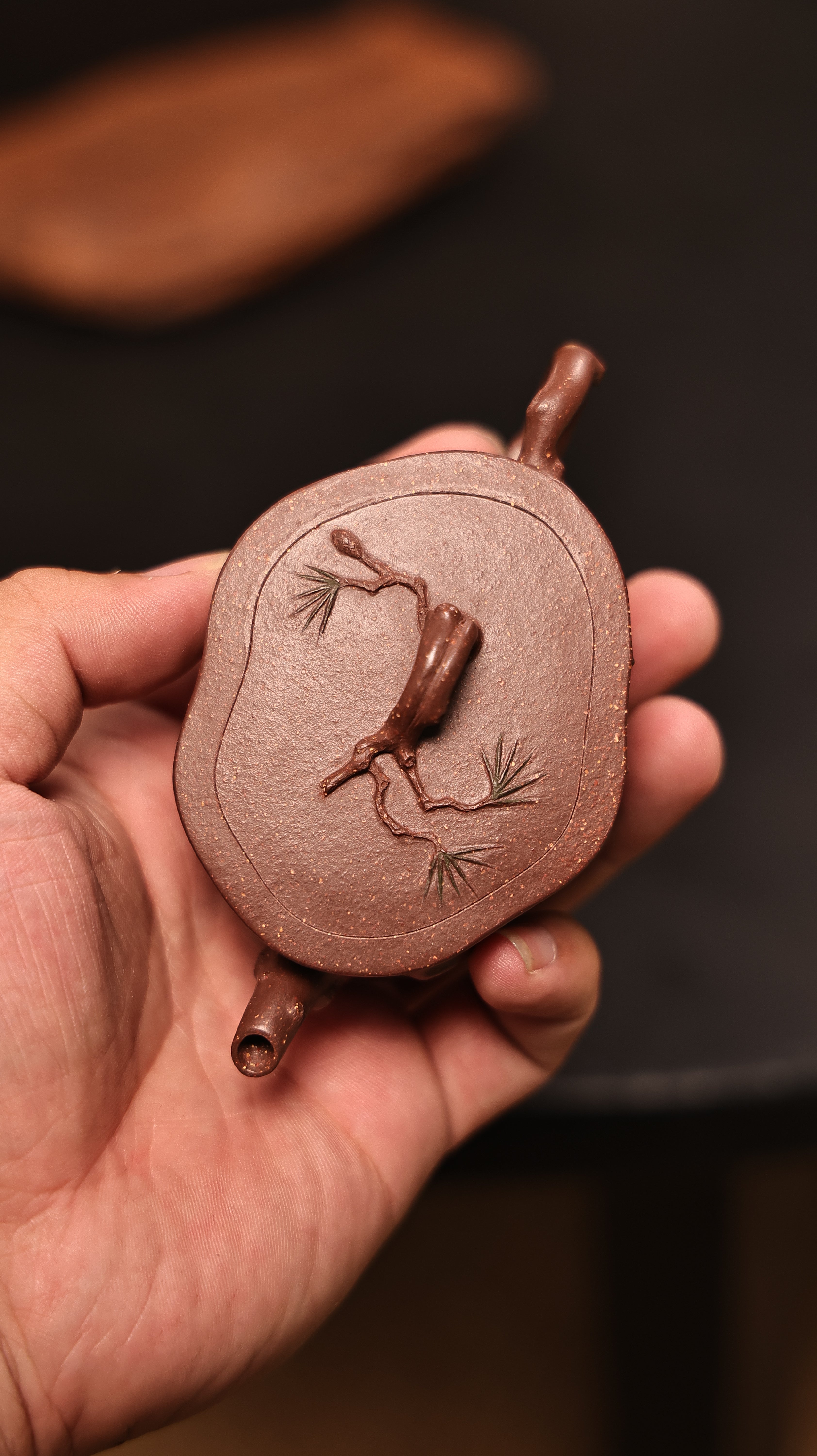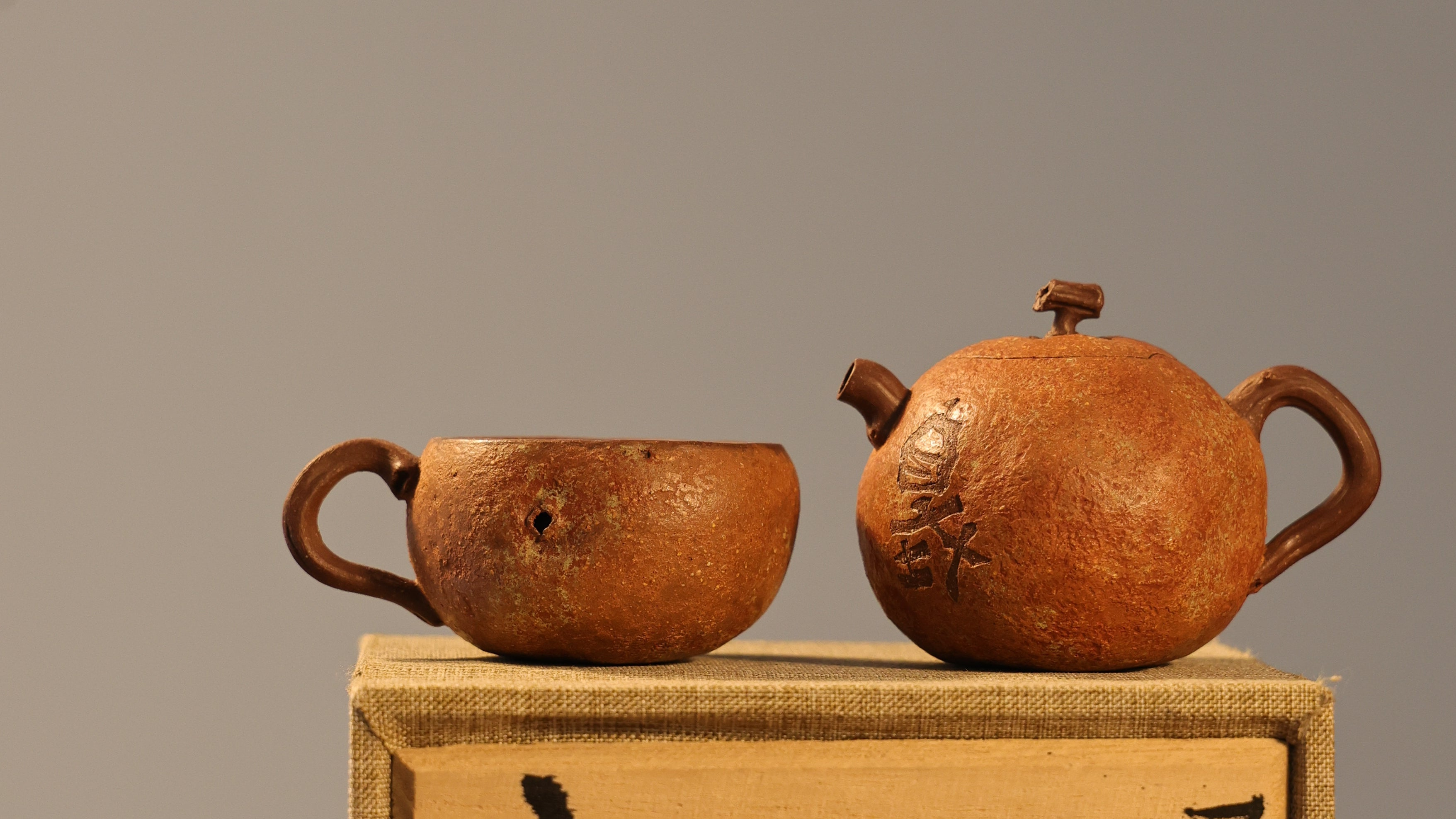
Enduring inheritance determines Jiangsu pottery via decades,
Manifesting uncommon hallmarks extracted amidst provincial amethyst elements, the flasks accumulate a glow along employment, refining aroma drawn from steeped teas.
Comprehending Yixing Clay: Broad Insights into Zisha
Various admirers celebrate the incomparable grain of Yixing violet clay, a cornerstone of enduring Chinese craft. Deriving from the Yixing region of Jiangsu province, this unique clay features an intricate mineral arrangement, such that gives exceptional qualities to the realized items. Categories within Zisha, including Zhuni Mud, Duan Ni Mud, and Jiang Xi Mud, each offers particular tints, consistencies, and baking traits, shaping the airflow and the conclusive accent ripening of the beverage.
Chinese Jar Practices: Investigating Innovation
Oriental teapots embody more mere urns for beverage; they represent centuries of legacy skill. From the legendary Yixing clay variations, respected for their open nature which infuses particular tastes to the drink, to the subtle porcelain from Jingdezhen, each piece narrates a chronicle of dedication. The production process is an meticulous operation, often handed over through tribes of makers. These connoisseurs use classic systems such as hand-building, forming on wheels, and beautifying, demonstrating profound reverence for the clay and the skill itself. Ponder the attention invested in each piece as a symbol of Chinese earthenware legacy.
- Jiangsu pots: a distinguished selection.
- Elite ceramic teapots: noted for their lightweight design.
- Hand-building techniques: a complex yet profitable procedure.
Zisha Pitcher Preservation: Caring for Your Adored Belonging
Appropriate handling of your notable Yixing Zisha pot is important to extending its longevity. Crafted from noteworthy purple sand clay, these exquisite teapots accumulate a glossy patina after application, considerably boosting their allure. Withhold detergents; a mild rinse with moderate temperature hydraulic medium is sufficient. Avoid searing water for purifying the teapot, as it may damage its surface. Allow it to evaporate moisture away from powerful ultraviolet exposure. Consider curing your teapot regularly using premium tea, especially fermented varieties. Here is a brief manual:
- Wash out with lukewarm moisture.
- Eschew washers.
- Facilitate it to dry completely.
- Season with high-quality tea.
Ancestry of Yixing Teapots: Commencement
The story of Yixing teapots begins simply during the Tang dynasty, approximately the 16th era. Initially, these pots were not the cherished products they are seen currently. They were made by regional potters using the distinctive purple clay sourced solely in the Yixing vicinity. These early creations were primarily utilitarian, designed for daily use and often ordinary in pattern. It was not until the afterward dynasty that they launched to earn reputation beyond mere useful ceramics.
Picking the Right Traditional Urn: A Elementary Introduction
Entering the domain of Yixing teapots can be daunting, but shun worry! For first-timers, the essential factor is understanding the soil. Authentic Yixing clay is prized for its openness, allowing the teapot to soak up the tea's bouquet over time, enhancing every brewing session. Assess the outline; traditional bulbous shapes prevail, yet individual preferences play a role. Lastly, observe the finish—while some favor an plain appearance, others like a soft gloss. Take your time in the selection process—this is an transaction in a beloved piece of art.
Traditional Clay Urns and Their Effect on Chinese Potion Practice
Zisha containers, existing from Yixing, China, have profoundly affected classic Chinese brew culture. Those Yixing clay teapots, prized for their recognizable pigment, feel, and exceptional ability to impart a subtle note to the infusion, symbolize more than mere receptacles; they are valued pieces of art and symbols of renown. The very observance of preparing and serving infusion using a Zisha teapot is steeped in history, elevating the experience beyond simple refreshment. Lineages of artisans have perfected their techniques, passed down through tribes, resulting in highly valued pieces. Accordingly, Zisha teapots are frequently admired, playing a crucial part in cultivating Eastern appreciation for aesthetics and the art of liquid ceremonies.
- Unique Clay Composition
- Giving Subtle Flavor
- Fine Craftsmanship
Detecting Authentic Exceptional Provincial Containers
Collecting a original Yixing teapot can be a enjoyable experience, Yixing Zisha Teapot but the market is often plagued with knockoffs. Differentiating between a real antique and a contemporary reproduction requires scrupulous inspection. Key signals include the clay's earthy shade, often displaying streaked designs, and the nonexistence of modern roasting imprints. The configuration should look natural style, reflecting the traditional Yixing approach. Finally, studying the artist's symbol is crucial to verify certainty against recognized references.
- Assess the clay's makeup.
- Look for anomalies, indicative of handmade quality.
- Ask an advisor for verification.
Considering Zisha Pitchers: A Comprehensive Handbook to Clay Ware Recognition
The environment of Yixing Zisha pottery affords a special option for shrewd enthusiastic followers. More and more, the worth of these custom artifacts is guided by diverse components, such as the standard of composition, the dexterity of the builder, the historical significance, and, naturally, the present trade. Newcomers should focus on researching the diverse categories of Zisha clay—such as Ice River, Tranquil Vessel, and Scarlet Earth—and researching the features linked to each. Thorough assessment of the teapot's shape, color, and badge is correspondingly paramount to make experienced judgments when investing.