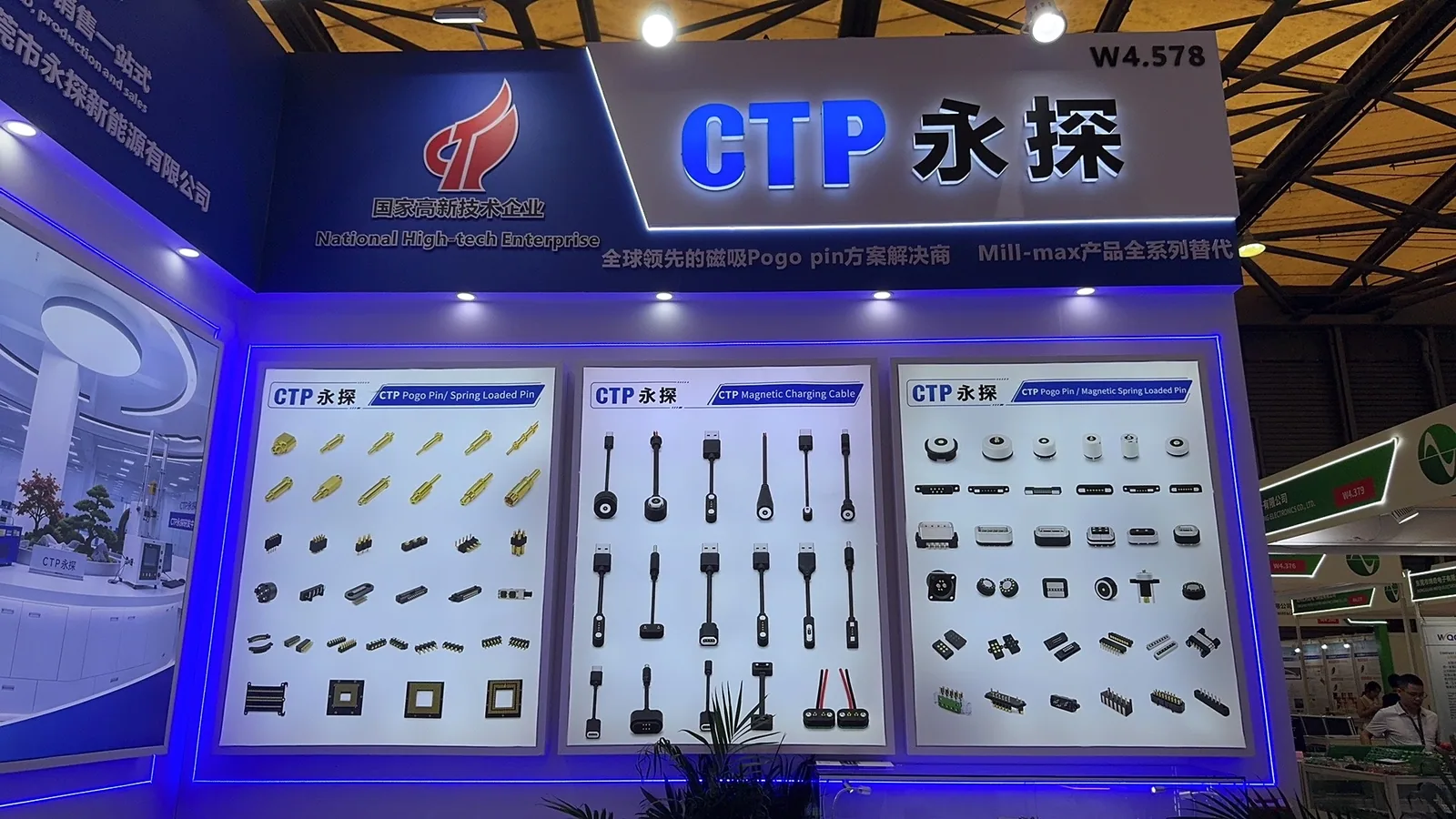
Cutting-edge magnetized terminals stand as a exciting variant to legacy interface procedures. Granting profits like heightened endurance, convenient joining, and cut-down corrosion, they may markedly influence the apparatus coupling domain. Whereas current obstacles, such as electricity transfer and field pull, uninterrupted research and creation suggest a optimistic future for this technology.
Knowing Polarized Cable Sets and Their Pros
Particular attractive strand package represents a increasing approach for tool activating and data transmission. Similar format usually features an polarized butt-joint that integrates to your gadget, delivering user-friendliness of utilization and abated breakage on both openings. Upsides contain increased life-span, warding off line disintegration, and user-friendly engagement. On top of that, they are expressly effective for end-users with compromised mobility.
Comparing Magnetic Cables and Conventional Cables - A Overview
When deciding on a conductor to activate your tools, you will usually come across both magnetic and traditional varieties. Conventional conductors have been the custom for decades, offering generally more affordable pricing but regularly proving difficult with wear and problems in plugging in. Magnetic connectors, conversely, present a convenient solution - their magnetic heads make joining simpler, abating potential port breakage and offering a original feature. Nonetheless, they typically demand a greater initial investment and could somewhat reduced charging speeds depending on quality.
Spring-loaded Connector Concept – An Detailed Understanding into Setup & Purposes
Contact connectors equip a distinctive option for versatile electrical couplings, increasingly used in a wide variety of applications. These usually microscopic units act as resilient plungers, maintaining a stable electrical pathway when pressure is applied.The structure generally involves a fine-tuned crafted shaft and a spring permitting slight travel – this affords compensation for displacement and vibration, key in communication devices, medical appliances, and portable systems.
- Standard applications include battery modules, charging ports, and removable shields.
- Material selection – often composite or beryllium copper – affects conductivity and corrosion immunity.
- Design variations address parameters like stroke length, force needs, and quantity of circuits.
Forming with Charged Adapters: Effective Practices
Whilst designing tools with snap-in couplers, review key elements. Initially, guarantee the intensity of the connector is sufficient to survive the potential usage conditions and stop unintentional detachments. Moreover, handle manufacturing variations; slight mismatches could influence connector alignment and overall effectiveness. Concluding, meticulously examine the connection’s robustness across various scenarios – such as repeated attachment and detachment, plus exposure to diverse degrees or ambiences. Emphasizing user experience means maintaining a favorable feedback with each connection and disconnection.
An Advancement of Magnetic Cable Technology in End-user Electronics
This developing wave is manifesting within the sector of personal electronics: adoption of magnetic cable breakthroughs. Historically a niche answer, these cables, which employ magnets to attach and detach from gadgets, are now attracting significant interest among manufacturers and customers. The benefits, such as diminished wear and tear on charging ports—a frequent failure point in many devices—are persuasive.
- Minimized interface harm
- More straightforward connection
- Augmented user experience
Pioneering Uses for Magnetic Cable Configurations Beyond Recharging
Excluding straightforward supplying, magnetic lines assemblies reveal unprecedented operations.Whereas mostly marketed for their user-friendliness of joining, these versatile elements offer a amplified range of alternatives. Consider leveraging them in automated systems to enable consistent data conveyance, or for developing modular and changeable screens. waterproof pogo pins
- They equally enable meticulous operation of delicate equipment within healthcare settings.
- Magnetic connectors have also confirmed usefulness in developing sturdy and watertight aquatic or filth-resistant instruments.
Addressing Common Difficulties with Attracted Couplers and Spring-loaded Contacts-points
Spotting difficulties with electromagnetic ports and tactile probes often develop during apparatus assembly. A prevalent breakdown involves deficient contact, causing inconsistent power transfer. Survey the surfaces for foreign matter; removing with alcoholic medium usually fixes functionality. If contact force by the contact tip seems weakened, or if orientation of the electromagnetic connector is faulty, a in-depth review of the production process may be necessary. Finally, check the link is free from breakage or showing markers of internal corrosive damage.
Magnetized Connector vs. Resilient Pin: That Is Right for Your Build?
Settling on between magnetic connectors and pogo pins often presents a dilemma when creating portable or compact machines. The decision relies on this project’s specific necessities. Magnetic connectors present comfort – allowing quick, non-destructive connections and disconnections, well-suited for wearables or often handled gadgets. Although, they generally have lower current carrying capacity and may have slightly less reliable electrical contact compared to pogo pins. Pogo pins, in contrast, excel in applications requiring high current delivery, such as battery charging or powering larger components; their spring-loaded design guarantees a robust connection with generally better signal integrity but carries a hazard of mechanical wear and tear during extended use. Weigh factors like potential mating cycles, power demands, overall size limitations, and cost when choosing – magnetic connectors offer a user-friendly path while pogo pins furnish a more dependable electrical interface.
- Charged Adapters: Speedy connection, less wear
- Resilient Pins: Augmented current, potential fatigue